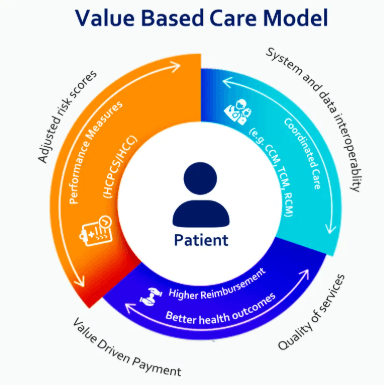
Hospitals face relentless pressure to do more with less while maintaining quality and improving patient outcomes. Transitioning from fee-for-service to value-based care models offers a coherent strategy to align clinical decision-making with financial sustainability. By focusing on outcomes and total cost of care rather than the volume of services delivered, hospitals can reduce unnecessary utilization, curb avoidable readmissions, and reallocate resources toward preventive and coordinated care. The result is a healthier patient population and a more predictable financial picture for the institution.
Why value-based care matters for hospitals
Value-based care matters because it changes incentives. Under traditional payment systems, hospitals are rewarded for procedures and admissions; under value-based contracts, they share financial responsibility for population health and receive payments tied to quality metrics. This shift creates opportunities to invest in upstream interventions—chronic disease management, social determinants screening, robust discharge planning—that reduce expensive downstream events. Hospitals that adopt these models can improve margins by avoiding costly complications and by qualifying for shared savings and performance bonuses tied to better patient outcomes.
Practical strategies that drive expense reduction
Implementing multidisciplinary care pathways is one of the most effective strategies. Standardized protocols reduce variability in treatment, shorten lengths of stay, and decrease the likelihood of complications. Embedding evidence-based order sets, early mobilization programs, and coordinated discharge planning into routine practice simplifies care delivery and produces cost reductions without sacrificing quality. Another key strategy is proactive management of high-risk patients. Dedicated case managers and care coordinators can prevent readmissions by ensuring medication reconciliation, timely follow-up visits, and home support for patients with complex needs. Telehealth and remote monitoring extend clinical oversight beyond hospital walls, helping to detect deterioration early and avoid emergency department visits.
Investing in preventive services and community partnerships pays dividends. Hospitals that collaborate with primary care networks, behavioral health providers, and social service agencies can address drivers of poor health such as food insecurity, housing instability, and untreated mental illness. When hospitals integrate those community supports into care plans, they reduce recurring utilization and lower overall expenditures. Data-driven risk stratification helps target these interventions to patients most likely to benefit, concentrating resources where they have the greatest financial and clinical impact. At the policy and operational levels, redesigning contracts to include shared savings, bundled payments, or accountability for entire episodes of care aligns incentives across providers and encourages collective cost containment.
Aligning operations, finance, and IT
Shifting to value-based care requires intentional changes to operations, finance, and information systems. Payment reform must be accompanied by robust analytics capable of tracking quality metrics, utilization patterns, and cost drivers in near real time. Investments in interoperability and population health platforms allow hospitals to identify gaps in care and measure the effectiveness of interventions. Financial teams need to redesign budgeting and forecasting processes to reflect value-based revenue streams and the timing of shared savings. Clinically, education and leadership engagement are essential so frontline teams understand how standardized care paths and discharge protocols support both patient outcomes and fiscal health.
Workforce redesign is equally important. Empowering nurse navigators, community health workers, and pharmacists to practice at the top of their license enhances capacity to manage chronic conditions and medication adherence, which prevents costly complications. Aligning clinician incentives with value-based metrics—such as patient-reported outcomes, reduced readmission rates, and adherence to care pathways—encourages sustained behavioral change. Hospitals should also adopt continuous improvement cycles that evaluate clinical processes, measure cost impact, and refine interventions based on results.
Measuring success and maintaining momentum
Accurate measurement is the backbone of any value-based program. Hospitals must establish clear outcome metrics and track both clinical results and financial performance. Common measures include 30-day readmission rates, average length of stay, complication rates, patient satisfaction, and total cost per episode. Equally important is tracking upstream indicators like preventive screening rates and care coordination touchpoints. Transparent dashboards that present these metrics to clinical leaders and frontline staff foster accountability and enable rapid course correction.
Pilot programs can validate concepts before scaling. Starting with targeted populations—such as patients with heart failure, chronic obstructive pulmonary disease, or joint replacement—allows hospitals to refine care pathways, estimate savings, and generate clinician buy-in. Demonstrated successes can be scaled across departments and incorporated into broader contracting strategies. Sustained improvement requires governance structures that include clinicians, administrators, finance, and community partners to ensure alignment and shared ownership.
Overcoming challenges and preserving quality
Adopting value-based models is not without challenges. Upfront investments in IT, staffing, and training may strain budgets before savings materialize. Data fragmentation and inconsistent coding practices can obscure true performance. Cultural resistance among clinicians accustomed to fee-for-service workflows can slow adoption. To overcome these barriers, hospitals should pursue phased implementation, secure executive sponsorship, and maintain transparent communication about goals and metrics. Ensuring that cost-saving measures never compromise patient safety is paramount; rigorous monitoring and patient-centered metrics help safeguard quality while reducing expenditures.
A pragmatic path forward
For hospitals seeking to reduce expenses sustainably, value-based care models offer a pragmatic path that aligns clinical and financial objectives. By standardizing care, focusing resources on high-risk patients, integrating community supports, and investing in analytics and workforce redesign, hospitals can lower avoidable costs while improving outcomes. Embedding these changes into contracts and daily practice creates enduring incentives for efficiency and quality. Stakeholders who commit to iterative learning and cross-sector collaboration will find that investing in value-based approaches pays off in both healthier communities and stronger financial stability, with measures like healthcare cost containment woven into the fabric of care delivery.
