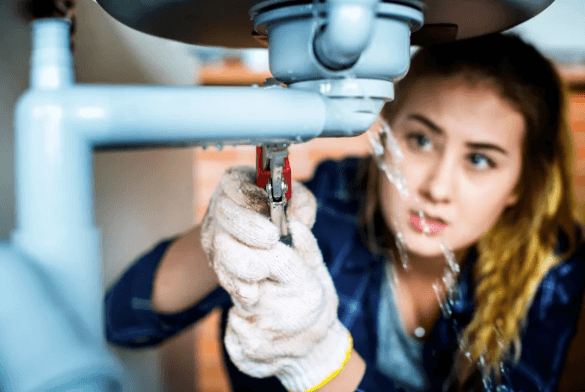
Diagnosing a pipe joint issue begins with careful visual inspection and controlled pressure tests to locate the leak source. Gather the necessary tools and materials, then select a repair method matched to the pipe material and joint design. Clean and align joints, apply suitable sealants or thread compounds evenly, and tighten to the specified torque. Verification of a leak-free seating precedes pressure restoration, but persistent symptoms or corrosion warrant professional involvement to prevent future failures. The next step demands precise execution and further considerations.
Diagnose the Leak and Gather Tools
To diagnose a leak and gather tools, begin by identifying the location and type of leakage through visual inspection and, if accessible, pressure-testing methods. The process relies on diagnostic tools and documented leak indicators to confirm origin, assess severity, and distinguish between joints and fittings. Systematic recording supports targeted, efficient repairs while preserving freedom to adapt techniques as needed.
Choose the Right Repair Method for Your Pipe Material
Selecting an appropriate repair method requires matching the chosen technique to the pipe material and its condition. The analysis supports leak diagnosis, enabling informed tool selection and method choice. Consider pipe material properties, joint construction, and access. Repair method feasibility hinges on fittings and seals; sealant choices vary. Emphasize fitting safety, ensuring consistent alignment, torque, and verification before operation.
Apply Sealants and Tighten Fittings Safely
After determining the appropriate repair method for the pipe material and joint condition, the next step involves applying sealants and tightening fittings safely. Technically oriented guidance emphasizes measured application of appropriate sealants, uniform coverage, and torque levels aligned with joint design. Tips for pipe joint sealants and safe tightening practices reduce leakage risk, ensure compatibility, and maintain system integrity without over-torquing or misalignment.
See also: cruzdid
Know When to Call a Pro and Prevent Future Leaks
In assessing whether professional intervention is warranted, technicians evaluate joint age, material compatibility, observed corrosion, and the presence of recurring leaks or pressure drops.
When risks exceed threshold, a pro is advised to ensure safety and code compliance.
Emphasis on leak detection and tool maintenance supports early warning, disciplined inspection, and durable joint integrity, reducing future repair intervals and fostering operational freedom.
Conclusion
In diagnosing and repairing pipe joints, a methodical sequence ensures reliable results: identify the leak, select a compatible repair method, prepare joints, apply appropriate sealants or compounds, and tighten to specification. Verification through pressure testing confirms a leak-free seating before restoration. When corrosion or age presents elevated risk, seek professional assessment. Even the best repairs fail without maintenance—“an ounce of prevention is worth a pound of cure.” Regular inspections and durable joint practices reduce repeat incidents.
